Showing posts with label Children. Show all posts

Friday, 26 February 2016

5 Baby Dry Skin Tips That Annoying

What causes the baby's skin dry? Infants and children can suffer from dry skin as commonly occurs in adults. In fact, because the skin of infants and children are more vulnerable to more subtle could be the baby's skin dry and there will be longer.

5 Baby Dry Skin Tips That Annoying

There are some things that might cause the baby's skin to dry them because of the summer sun, air conditioning, salt water and chlorine in the water that you use to bathe your baby.

What can I do to cope with dry skin in babies and my son?

1. Reduce the baby bath time and your Children

Bath too long can cause the baby's skin dry due to the same bath removes the natural oils on the skin along with dirt. Use bath time for your baby as effectively as possible, for example not exceeding 10 minutes. Also always use warm water but not too hot and a special soap for babies.

Let your baby have time to play in the tub before you bathe him, make sure not too long soap bubble attached to the baby's skin and your children. One more simple but very useful, do not let cloth or cleaning wipes that have been mixed with the soap in the bath your baby.

After bathing your baby immediately wipe it dry, if you use a skin moisturizer for the baby may be better, but there are some babies who are not suitable to use a moisturizer, make sure your baby does not experience skin irritation when wearing a moisturizer.

Using a thicker moisturizer would be better for your baby's skin. If the child's skin and keep your baby dry even after using a moisturizer. Try switching using a special lotion infants and children, but do not use too much lotion. You can use a moisturizer on your baby and children twice a day, first in the morning after the shower and the second during the day. If infants and young children can not wait the time you use a moisturizer, try it while listening to songs kesukaanya or if your child is old enough to wear a moisturizer habit and teach yourself without the help of you it will be better.

2. Do not let the salt or chlorine in the baby's skin dry and your child.

Chlorine and salt water can can cause your baby's skin is very dry. After a swim in the pool or in the sea immediately rinse your child with clean water and then use a moisturizer immediately while the skin is still damp.

3. Make sure your baby and your child well hydrated

Dry skin in babies caused shortages of moisture. If your child or your baby is not breastfeeding, make sure that your child consume enough liquid so that it can keep the skin moist. If your child is still a baby, make sure the intake of mother's milk or formula milk for at least the first six months, unless a doctor recommends adding fluid intake to your baby.

4. Keep your baby away from other factors causes of dry skin

Make sure the baby and your child wears gloves and socks in the winter, it is to guard the health of skin while keeping dry and keeping the skin is not broken. Although winter is not actually the youngest babies less than 6 months of age require more warmth so be sure to wear protective gloves and socks, especially when traveling on a motorbike or a car's air conditioning though.

5. Tips for using perfume or cologne

Do not use spray perfume directly on baby's skin and your children, can consider using laundry products are unscented. If the baby's skin is too sensitive and your child maybe you should be more careful in washing, even when in need you should rinse twice from washing to dress your baby in order to avoid too much contact leftover soap in baby clothes.

If the baby's skin is very sensitive and make sure your child does not wear tight clothes and even clothes rough. And keep in mind also that some fabrics like wool can aggravate dry skin in babies and children.

Be sure to also keep your baby's nails clean and cut the baby's nails regularly with a special tool for the baby. The nails are long and dirty too will worsen if the baby and your child is scratched into the skin of another.

Red spots in infants and children with dry skin.

If your baby and child skin a little itchy red blotches and even your baby might suffer semaccam also known as eczema or atopic dermatitis. Sometimes even eczema can be cured by cleaning with soap on a regular basis and give him a moisturizer so that you do not need so worried and took him to the doctor.

In some rare cases of dry skin in babies and children can show a genetic condition called ichthyosis. Ichthyosis is a dry skin that happens sometimes and can cause redness on baby's skin. It is generally accompanied by a thickening of the palms and soles of the feet, if your doctor suspects that children and infants suffering from ichthyosis your doctor may refer you to immediately contact the specialist skin for your baby or child.

Should I always consult your physician to overcome my baby's skin dry?

If the dry skin in babies and your child can be overcome with some of the tips above, you do not need menngunjungi your doctor, unless it was a baby or you suffer ichthyosis ana as described above. Consult with your child's skin specialist doctor would be a better solution and better targeted if your baby's skin is indeed suffering from some sort of ichthyosis.

Tuesday, 23 February 2016

4 Easy Tips Massaging Baby with Good and Right

Massaging the baby carried by mother every day is a great way to bond with the baby's mother.

Moreover, the researchers found that infant massage properly can form a cycle of infant sleep better, relieve colic and might even be able to improve the baby's immune system, motor skills, and intellectual development of the baby itself.

Here are some tips and techniques to help you can massage the baby properly without the help of masseuse baby.


To massage the baby should use blankets or fluffy towels, and a special baby massage oil which is placed in a container that is not easily broken. Before massaging your baby you should test the oils that will be used on a small point of your baby's skin and wait a few hours to make sure there is no irritation to the skin of your baby.

Start baby massage when you are calm, but must stay alert and do not massage the baby after he had just finished eating or when your baby is sleepy. Before starting to sit on the floor with your feet in solonjorkan. Put a soft blanket over your legs so that your child comfortable while you massage him.

You put the baby's diaper and put your baby on a blanket with a comfortable, foot baby belly facing you and the baby's head right toe with the baby do not tilt.

Start massaging the baby very gently stroked just like, do it from the baby's head to his toes. If your baby wriggling, crying, or being angry, moved to other parts of the body or if very fussy you can end the massage for today, do not be in force until your baby enjoy your massage.

If your baby responds well, start gently massaging the baby some parts bit by bit, to the stage of your training should be massaged babies with such caressing it with one-way massage do not go back and forth.

1. Massaging the baby in the abdomen

  1. Hold your baby's stomach and move your hands as paddles in your baby's stomach. Starting at the base of the ribs, lower abdomen with one hand, then the other part, only with movements such as rowing and not too tight. With painstaking effort and you certainly will be able to massage the baby properly.
  2. Try massaging the baby's stomach with your fingertips in a circular motion, the same gesture with clockwise.
  3. Massaging your baby's stomach with whole belly stroked along his rib cage on the right side to the left and down. Invert the movement, with the stroking of the lower abdomen on the right side and around the navel and on the left side.
  4. Baby massage with your fingers around the navel of the small, clockwise motion.
  5. Do this carefully and lovingly. Hold knees and feet together and gently press your knees toward her stomach. Rotate the hips slightly to the right baby. Baby massage with this movement helps expel gas or reduce bloating.
  6. Massaging your baby by placing your hand on the baby's stomach horizontal direction and pull your hand from left to right several times. Should be avoided massaging baby belly umbilical cord has not been perfect. Check out the video below for more detail.
2. Massaging the baby in the head and face
  1. Hold your baby's head with both hands, gently massage the baby's scalp with your fingertips, such as the movement is being shampooed. Avoid touching your baby's head crown because it is still very sensitive.
  2. Massage your baby's ear using the thumb and forefinger.
  3. Hold your baby face hand positions such as a heart shape, and then drag your fingers together until the baby's chin.
  4. Do this by placing your thumb between your baby's eyebrows pull it out gently and slowly.
  5. Again baby massage with your thumb, gently pull up the baby's eyelids with the eyes closed.
  6. Pull your index finger on the outside of the nose right and left upward direction to the cheeks.
  7. Using your fingertips, massage the baby's jaw in a small circle and soft.
3. Massaging the baby's chest
  1. Place both hands on the baby's chest and then pull out from his sternum to his shoulder.
  2. Then begins the breastbone, trace the shape of hearts brought both hands up to his shoulders, then down and back together. Do this carefully and with feeling.
4. Massaging the baby's foot
  1. Lift one leg of your baby by the ankles and relax by lightly pressing on your baby's thigh. Usually your baby will feel very uncomfortable.
  2. Hold the baby's ankles with one hand and massage with a thumbs down to around the upper thigh of your baby. Wipe off the small thighs to her feet.
  3. With your hand holding the baby thighs, rubbed down from the hip to the foot with both hands rotating in the opposite direction, like movements while wringing towels.
  4. In the palm of the baby, using the motion of your thumb to massage from the heel to the toes.
  5. Use your whole hand to stroke the bottom of the baby's feet from heel to toe.
  6. Wipe the top of his foot. Gently squeeze and gently pull each leg.
  7. Massage around the ankle using small circles.
General Tips Simple massaging a baby:
  • Conduct baby massage gently but firmly, and do not cause the baby amused.
  • We recommend that you massage your baby every day.
  • Follow your baby's signals when to stop massaging. Massage will usually be up to 30 minutes, but if the mood a little uncomfortable it may be only 10 minutes.
  • To learn more about baby massage is right You can buy a lot of reference books in bookstores

Hopefully this article on how to massage a baby for you and your baby. good luck.

Monday, 22 February 2016

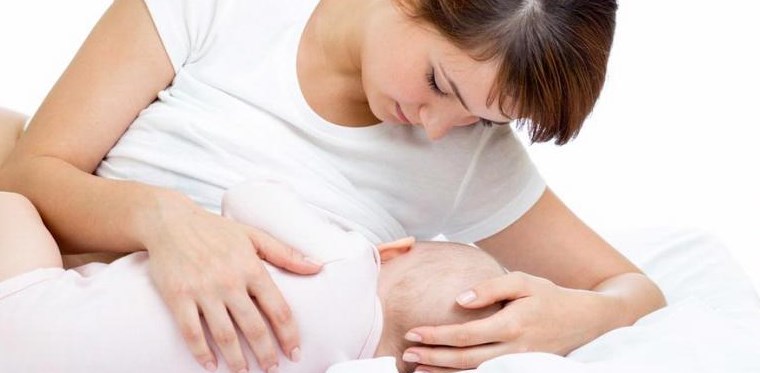
Exclusive Breast milk, Breast milk Is it? And What Are The Benefits Breast milk?

Exclusive Breast milk is the provision of Breast milk alone without the addition of other foods in infants aged zero to six months is Breast milk exclusively or giving Breast milk exclusively is babies given only breast milk alone, without the addition of other liquids such as milk formula, orange, honey, water the, water, and no solid foods such as bananas, papaya, milk porridge, biscuits and rice porridge.


Exclusive Breast milk, Breast milk Is it? And What Are The Benefits Breast milk?

Giving Breast milk exclusively is recommended for a period of at least 4 months, but if possible up to 6 months. After a 6 month old baby, he should be introduced to solid foods, while breastfeeding can be given until the baby is 2 years old.

Types of Breast milk

1. Colostrum

Viscous liquid yellowish generated on the first day until the 3rd day. Colostrum can be regarded as an "immunization" received first baby because it contains a lot of protein to power the body that serves as a germ killer in high quantities. Levels are 17 times as compared to mature breast milk.

2. Milk Transition

Milk production after colostrum between day 4 until day 10. In this transition milk contained immunoglobulin, protein and lactose with lower concentrations of colostrum but the concentration of fat and a higher amount of calories, reduced fat-soluble vitamins, water soluble vitamins increases. Shape or color is whiter than milk colostrum.


3. Milk Matur

Mature milk is milk that came out after the 10th day. Creamy white. The composition of breast milk out on the puff-puff first (foremilk) contains fat and carbohydrate is more than hindmilk (Breast milkyang out the puff-puff past), then do not be too quick to move the baby to suckle on the other breast, when Breast milk in the breast was sucking has not been exhausted.


4. Exclusive Benefits of Breast Milk for Baby
  • Breast milk is the best food for babies that are easily digested and absorbed, always clean, fresh and safe.
  • Breast milk enhance infant growth so as to make smart and healthy baby.
  • Breast milk provides protection against various diseases, especially infectious.
  • Beautify the skin and teeth and jaw shape.
  • Breast milk is always available at the right temperature so it will not disappoint the baby having to wait or the temperature is not right.
  • Breastfed babies rarely have diarrhea, not constipation and is rarely affected by allergies.
  • Breast milk composition and volume sufficient for the growth and development of infants up to 6 months.
  • The digestive system of infants up to 6 months to digest food rudimentary Breast milk aside. Breast milk alone is easily digested because it contains enzymes.
  • No weight infants kidney function. Excretory system newborns up to age 6 months is not perfect, so that when fed with a high osmolarity (such as formula milk or fruit) would burden the kidney function.
  • The provision of food or drink other than before 4-6 months Breast milk will indirectly reduce the production Breast milk because the baby to suckle frequency is reduced because it was full.
How to Achieve exclusive Breast Milk

WHO and UNICEF recommend the following steps to get started and achieve exclusive breastfeeding,

  • Breastfeeding within one hour after birth
  • Exclusive breastfeeding: Breast Milk only. That is, plus other food or drink, not even water though.
  • Breastfeeding whenever the baby asks (on-demand), as often as the baby wants, day and night.
  • Do not use milk bottles or pacifiers.
  • Breast Milk issued by pumping or milking by hand, while not with the children.
  • Controlling emotions and mind to be calm.

This way the baby cope with high fever

Indeed, as a mother, saw the child when you're sick, especially high fever is alarming, Do you know where the highest point of the Child fever? Do you know how to cope when your child when a high fever? Well, if you do not know see the following article;

This way the baby cope with high fever.


At what temperature my baby had a high fever?

A baby's normal temperature can range from about 97 degrees Fahrenheit to 100, 3 degrees Fahrenheit. Generally, doctors deliver a rectal temperature of approximately 100, 4 degrees Fahrenheit is already considered a fever.

When you should contact your doctor

Call your doctor if your baby:
Is your baby under the age of 3 bln. If your baby under the age of less than 1 bln experience high fever, it is an emergency. Seek medical care as soon as possible.

  • Is your baby is very lethargic and do not respond as usual
  • Is having trouble breathing or eating difficult
  • Having a rash
  • Such as dehydration, such as wet diapers a little, dry mouth, no tears when crying
  • Your baby Convulsions
Conditions such as high fever baby with a sign on top sometimes difficult for physicians to know more quickly whether a newborn baby suffering from a virus (such as colds) or more serious infections (such as pneumonia or meningitis). It causes sometimes doctors will advise you to test baby specials (such as blood or urine tests or spinal tap) to make sure the trigger must have baby fever, as well as to look for more serious infections in babies high fever.

What should I Do it when the baby fever?


If your baby is under the age of 1 month and baby high fever, contact your pediatrician immediately. For infants older than 1 month, try a simple guide to address the high infant fever following:
  • Bathe your baby with warm water.
  • Give your child plenty of fluids to avoid dehydration. Fluid can of milk, formula, water or an electrolyte solution depends on the age of the baby. Infants who become dehydrated may have fewer wet diapers, no tears when crying or dry mouth.
  • If your doctor expressed it is not so problematic, you can give children baby fever with Tylenol or ibuprofen.
  • Do not give aspirin to a baby baby high fever because there are some risks that are not often happen but the potential risk of Reye's syndrome in question. Also, do not give infants under age 6 months with Advil, Motrin or other medicines that contain ibuprofen.
  • Be sure to ask your doctor about the dosage and read the medication guide before giving your baby fever-lowering drugs.
Well, already Do you understand? if not you can read tips to overcome the child high fever.

5 Tips for Overcoming Baby High Fever

Welcoming a new baby is born in your house can be a very pleasant thing, but often stressful for parents who have just had a baby in the house.

For a time perhaps understandable, given that newborns do not come with instruction manuals or instructions, as well as the baby as an adult, a little baby you are ill will need special care from you especially baby high fever, really need affection from the people old.

5 Tips for Overcoming Baby High Fever

Baby high fever can be a sign among the most frightening for parents, especially when the baby fever baby is still not yet a week old. Sometimes parents are not accustomed to going to panic.

In this article, you will learn what cause high fever in infants as well as what needs to be done when your baby has a fever.

Any trigger high fever baby?

Fever in babies it is not just a disease but it is a sign of the other infant diseases can arise. Generally, if your baby experience fever, it means your baby smengalami flu virus infection or another. Baby high fever that signal a bacterial infection such as urinary tract infections or more serious infections such as meningitis.

Other triggers include a high fever baby:
  • The baby's reaction to the vaccination
  • baby high fever due to wear clothing that is too tight / warm
  • or spend a lot of time outdoors when the temperature is hot
  • Common signs of high fever baby
One of the common signals of fever in infants across the forehead warm, though not experienced a warm forehead does not mean that your baby does not have a high fever. You must be vigilant.

Some of the other symptoms associated with high fever in infants include:

  • babies do not sleep soundly
  • decreased appetite
  • lack of interest in play
  • baby is very lethargic
  • convulsive seizures baby
How do I check on my baby's body temperature?

You can take your baby's temperature in ways that are not the same, such as through the rectum (anus), mouth, ears, under the arms or armpits. The American Academy of Pediatrics (AAP) reference digital thermometer used only in infants and children. Mercury thermometers can not be used because of the risk of exposure to mercury and lead poisoning.

Rectal thermometer gives the most accurate temperature readings, and can be easy to take the temperature in the baby's mouth fever. Generally, the baby can not hold the thermometer in the mouth / oral site, as well as the reading of a thermometer ear or armpit that is not accurate.

To take a rectal temperature, first make sure your thermometer is clean. Clean with soap and water or clean with alcohol. Lay your baby on your stomach with your legs slightly bent. Give a little petroleum jelly around the thermometer bulb and gently insert the thermometer one inch into your baby's anus. Hold the digital rectal thermometer approximately less than two minutes until you hear the "beep. "Then gently and carefully take the thermometer.

However, you also need to know how tall your child's fever, if you are unable to solve the baby high fever or even worse, you should immediately contact your doctor to get help faster.

What Color Stool Baby Drinking Mother's Milk?

Question is often asked by mothers to breastfeed is what babies drink breast milk stool color, the color of feces Are breastfed babies can change or just one color?

Colour stool babies drink breast milk or as solids depending on how old your baby in the first few days after birth the color of your baby's stool adalalah dark green there is even the color of feces babies until dark as black, in addition to the color of feces or stools or dark almost black stool baby at the time was a few days too sticky. 

Infant's stools sticky caused because there is some substance remaining after birth often called meconium which consists of several substances in waking up in the intestines of young infants during pregnancy in your stomach.


The only solution best laxative for newborns is colostrum, the first milk that you give to your baby. Colostrum will greatly help your baby to clean dirt or meconium remainder of the pregnancy through. Many mothers do not know this so that he could not overcome the problem of young baby she bore. 

The more often you give milk the day or night it will speed up the baby's discharge from the remainder of the pregnancy or meconium in the body. Can imagine if stools do not clean the rest of the pregnancy of the baby's stomach, then the child will experience a digestive disorder usually occurs in the first few weeks.

Take pride for the mother can breastfeed your baby from inception until it grow healthy and smart.

After the colostrum from the body of your baby clean then and he was breastfeeding the baby feces or stool your baby will be yellow-green and not so sticky, your child will also be easier to pull out of the bowels. If And very often the nursing infant stool color will change to yellow green to brown.

Mothers need to be aware of the very young age of the baby will be susceptible to jaundice if it is less drinking milk, a sign of jaundice in the baby easily is very pale colored Tinda. If at this time your baby has jaundice best solution is to give breast milk as possible. If your baby is already weak often try to wake him to just give breast milk by placing your nipple to the baby's mouth during sleep. If your baby has jaundice and had a week there has been no progress please consult with your family doctor.

Mothers need to know is also a sign of jaundice babies often sleepy and weak, it is caused due to lack of intake of milk into his body. ASI (breast milk) can not be replaced with cow's milk price of one billion.

If the baby's stools or feces green and a few days turns yellow or brown even you do not need to worry. If the baby's color to green watery feces continuously may be an early sign of your baby is not getting enough milk or less long menyusunya.

Why is the color of baby poop green continuously?

ASI of your body is rich in fat, if your baby is feeding a long and continuous then the color of the faeces is likely to be green. If your child only briefly breastfed her then tend watery stools.

If at this time your baby looks very hungry and wanted to drink the milk immediately give it quickly and give it to one of your breasts. This is to make sure your baby quickly get the milk without being disturbed even if only by the turn of the breast.

Baby watery feces can also mean that your baby is sick stomach or it could be in terms of colds. This problem could be caused because of food or medicine that you are taking and they cause breast milk contamination. If you want to take medicine or certain foods make sure to always consult with your doctor.

5 Causes of Diarrhea in Infants What You Need to Know

Newborns often defecate even happens nearly every meal or after the breastfeeding, usually very soft stools, especially if the baby is fed breast milk.
In addition, your baby's stool may change depending on what you eat, if he is breastfeeding. Once your baby starts eating solid foods, you will find that the stool (feces) your baby has changed and solidified but depends also on his diet.

All that makes it difficult to explain and find out if the baby has diarrhea. Bottom line: If your baby's bowel movements changed in janngka longer period of time, you do not need to worry. But if your baby feces immediately changed, you should be suspicious if your baby has diarrhea or not.


Most cases of diarrhea are relatively mild and do not pose a serious health threat as long as your baby is dehydrated. But if your baby is dehydrated can be very serious, even fatal in infants, so it is very important to make sure that your baby is getting enough fluid.

There are so many possibilities. Diarrhea in infants can be caused by a viral or bacterial infection. It may also be of parasitic, antibiotics or something the baby ate. Here are the possible causes of diarrhea in infants who could be your concern and could prevent it:

1. Diarrhea in infants due to bacterial infection
Many bacterium that causes diarrhea in your child, especially the bacteria E. Coli and salmonella, shigella, staphylococcus and campylobacter can also cause diarrhea in your baby. If your baby has a bacterial infection she may experience severe diarrhea accompanied by blood in the stool cramping and fever. Some infants may vomit but could also not vomit.

Some bacterial infections like that of E. coli can be found in undercooked meat and other food sources that might be very serious. So if your baby has any of these symptoms take him to the doctor is the best choice. The doctor will examine and may evaluate whether the feces showed signs of bacterial infection.

2. Diarrhea in infants from viral infection
Some viruses such as rotovirus, adenovirus, calicivirus, Astrovirus and influenza can cause diarrhea and vomiting and abdominal pain, fever, chills, and other illness.

3. Diarrhea in infants for ear infections
In some cases, ear infections which may be caused due to bacteria or viruses can cause infant diarrhea. If this happens, you can also see that your baby will be fussy and tugged on his ear. Your children also may vomit and have a poor appetite and your baby may also be very cold.

4. Diarrhea in infants due to parasite
Children parasites in the body can also cause diarrhea such as giardiasis parasite is caused by a microscopic parasite that lives in the intestines. These infections disrupt the drain on your child as often flatulence, bloating, diarrhea and oily stools. This type of infection is easily spread in a situation such as the treatment group babysitting and treatment can be done with a special drug that your baby it shall be brought to a specialist.

5. Diarrhea in infants due to too much drinking juice
Too much juice, especially fruit juices that contain high levels of sorbitol and fructose or too many sugary drinks can interfere with the baby's stomach and cause stomach ache child. Reducing the amount of intake is to solve the problem in a week or so. Some doctors recommend you do not give fruit juice to babies before 6 months of age. After six months can be given to the portion that is not too much.

Is it okay to give my baby an adult anti-diarrheal medication?
No, do not give your baby medicine unless prescribed by a doctor. Adult medication can be harmful to infants and children.

When should I call the doctor?
Right away !! Contact the nearest doctor or medical specialist Son, if your baby berusi 3 years old or younger and he has diarrhea. If she is more than 3 months, call your doctor if the baby has diarrhea and is not likely to improve after 24 hours.